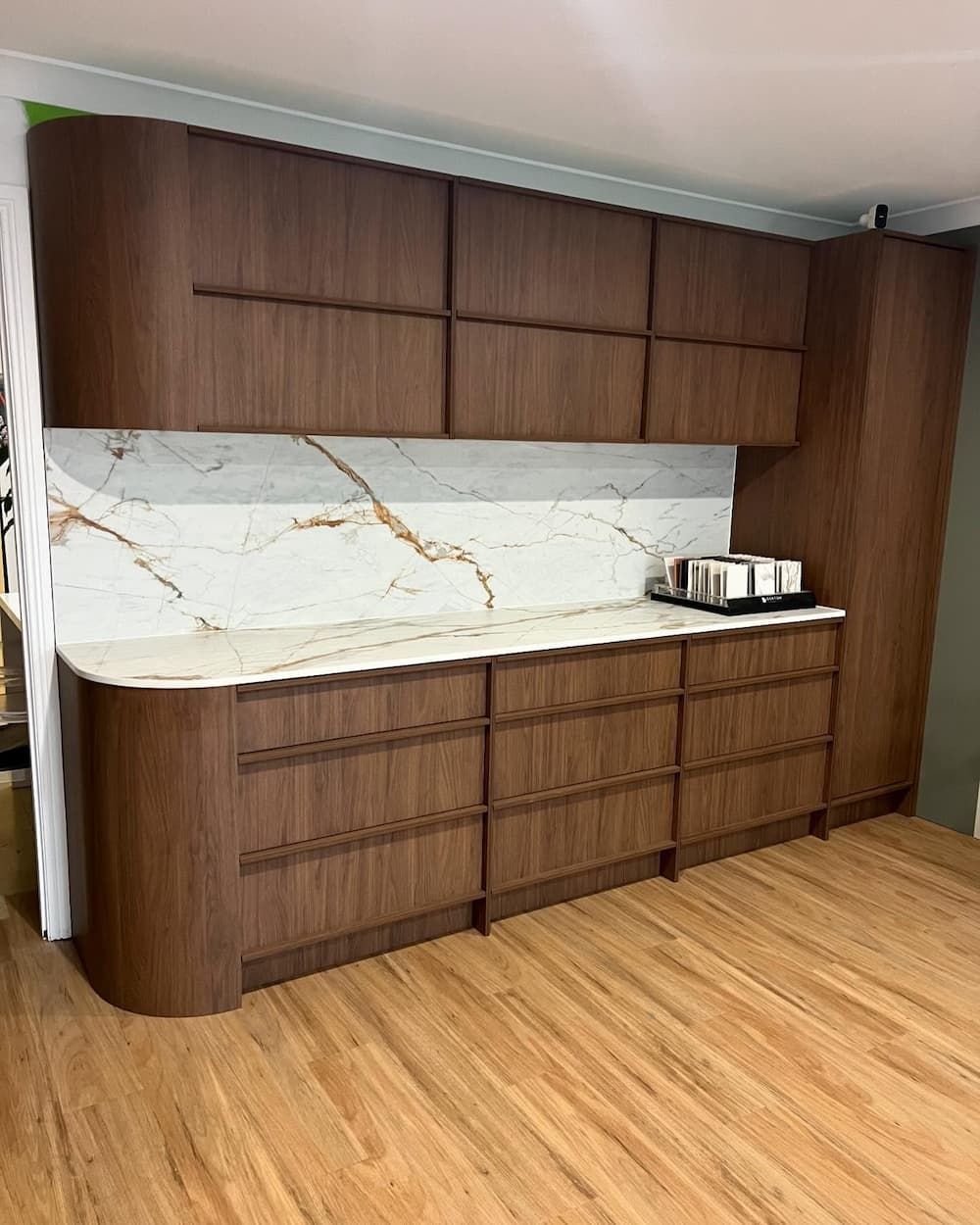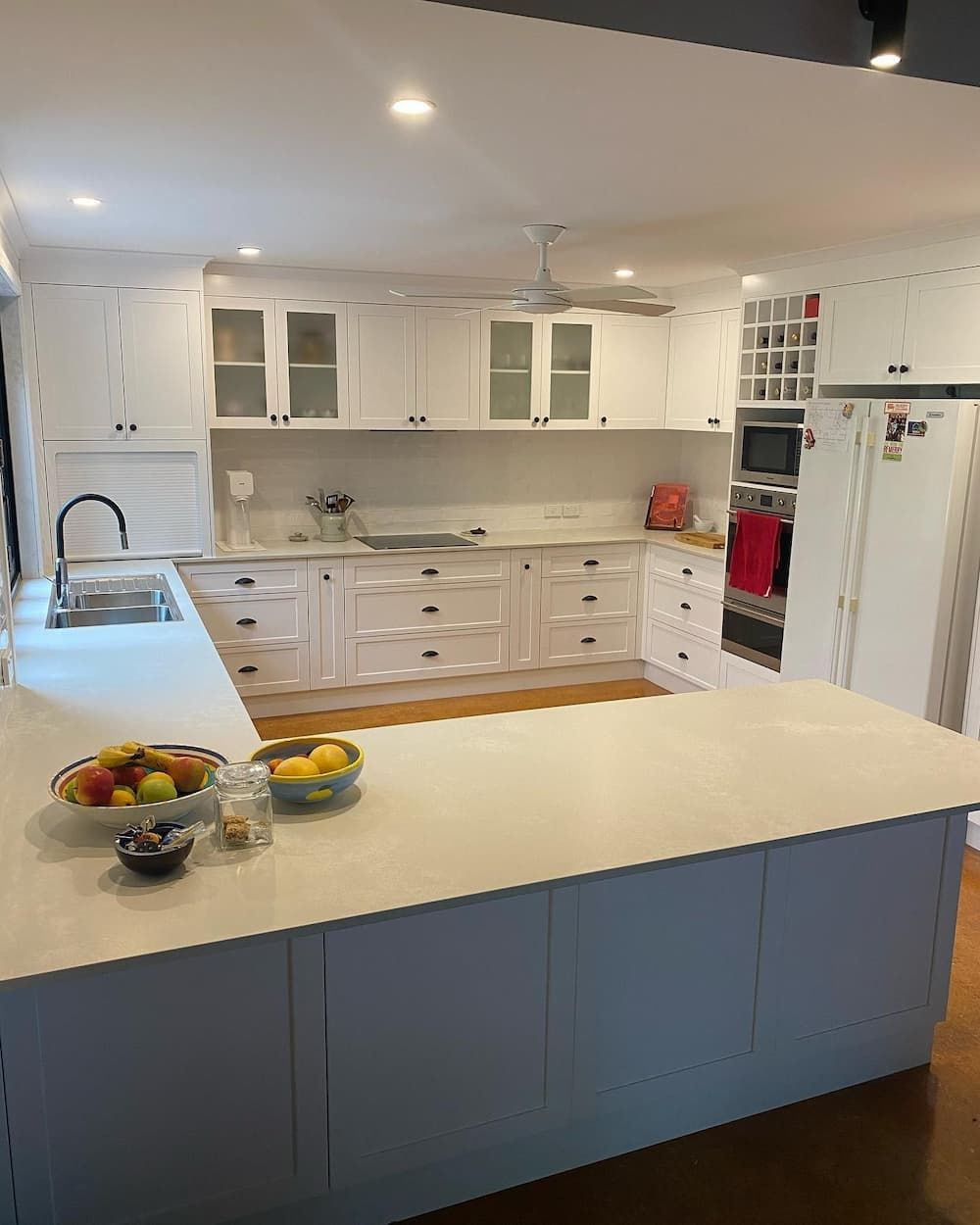
Is It Time to Upgrade Your Cabinets? How to Know
Most people don’t wake up one day and decide their cabinets need replacing. It tends to creep up. A hinge loosens. A drawer sticks. A laminate edge peels. You start working around the problem, not realising how much time you spend adjusting doors, shuffling items, or ignoring damage you’ve stopped noticing. Then one day you walk into someone else’s kitchen and realise yours feels tired, cramped, or harder to use than it should.
Cabinets do the heavy lifting in a kitchen. They hold the weight, handle constant opening and closing, cope with steam and spills, and set the tone for the overall appearance of the space. When they start failing, you can often patch small problems for a while. However, there comes a point where repairs become repetitive, and upgrading becomes more sensible, not just for appearance, but also for function and longevity.
This guide breaks down the common signs that it might be time to upgrade your cabinets, along with practical factors to consider before making the move.
Doors That Don’t Close Properly: When Wear Becomes a Daily Frustration
A cabinet door that doesn’t sit right might seem minor, but it’s often one of the first clues that the cabinet structure or hardware is reaching the end of its working life. If you’re constantly adjusting doors or dealing with uneven gaps, it can point to more than a loose screw.
- Hinges can fatigue and strip out over time, especially on heavier doors
- Warping and swelling can cause doors to catch, swing open or sit crooked
- Misalignment can signal the cabinet carcass is shifting or the base is no longer level
When these issues keep returning after repairs, an upgrade can be the more practical option.
Swollen Panels, Peeling Laminate and Water Damage: The Kitchen’s Slow Leak Problem
Moisture is one of the biggest culprits in cabinet damage. Even small leaks under a sink or dishwasher can cause slow damage that spreads through the cabinetry over months or years. Steam and constant wiping can also cause degradation of finishes, especially in older materials.
- Swelling at the base or around edges often means water has penetrated the board
- Peeling laminate can be a sign the substrate has softened or the adhesive has failed
- Discolouration and a musty smell can indicate hidden moisture damage inside carcasses
Once cabinets have swollen or softened, patching the surface rarely solves the structural issue. Upgrading often restores durability and helps protect the kitchen from repeat damage.
If Your Storage Doesn’t Match How You Cook, the Cabinets Are the Issue
A kitchen can look fine and still feel frustrating. If you’re constantly bending, stacking, or losing items in deep cupboards, the problem usually isn’t you. It’s the storage layout. Modern cabinetry is designed to be used efficiently, not just filled.
- Deep base cupboards often become clutter zones without drawers or pull-outs
- Poor pantry placement can create traffic and disrupt workflow
- Corner cupboards and awkward heights can waste space and make access difficult
Upgrading cabinetry can transform the way the kitchen functions day-to-day, especially when storage is tailored to how you actually cook and live.
Outdated Design Can Drag the Whole Kitchen Down (Even If It’s “Fine”)
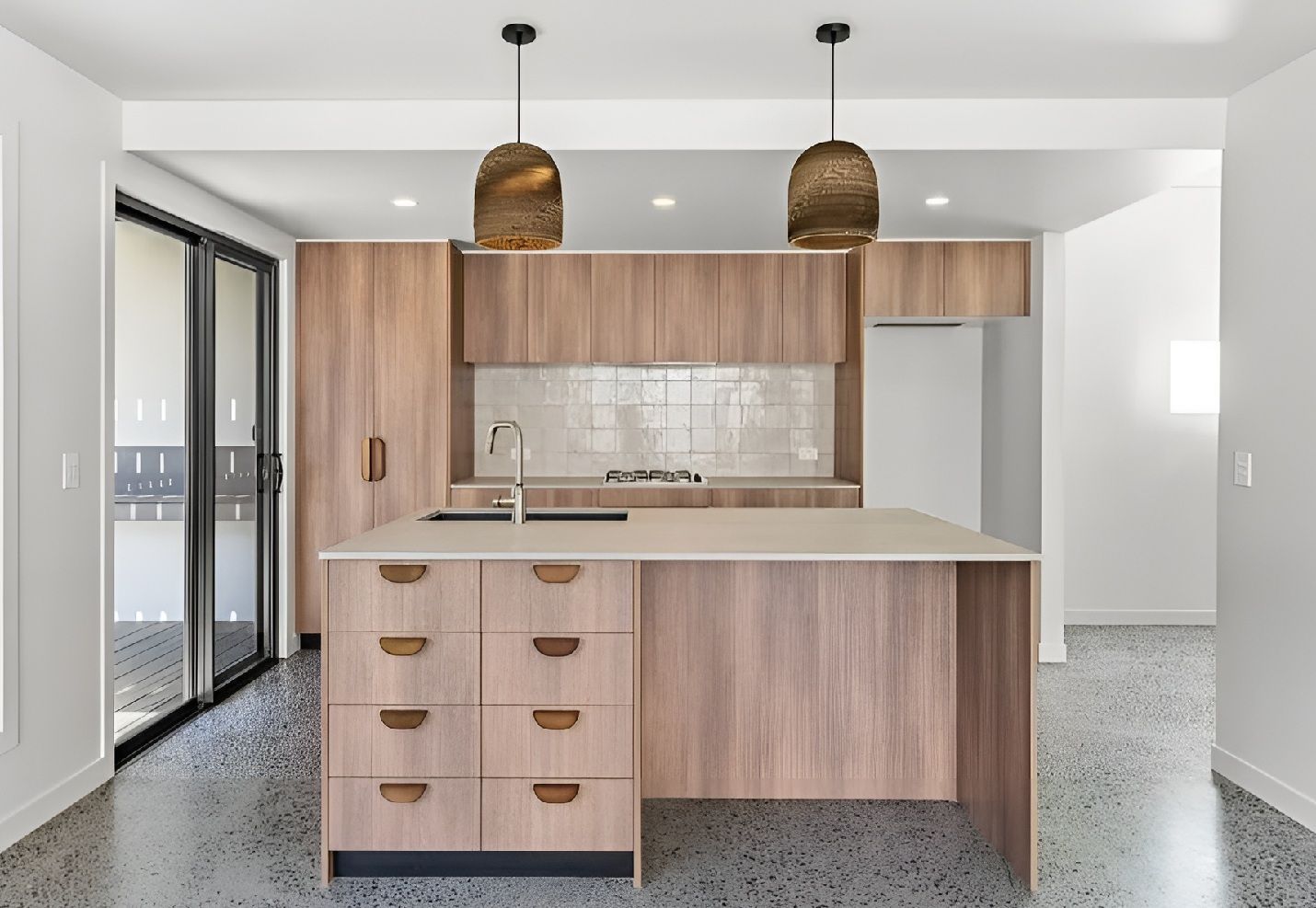
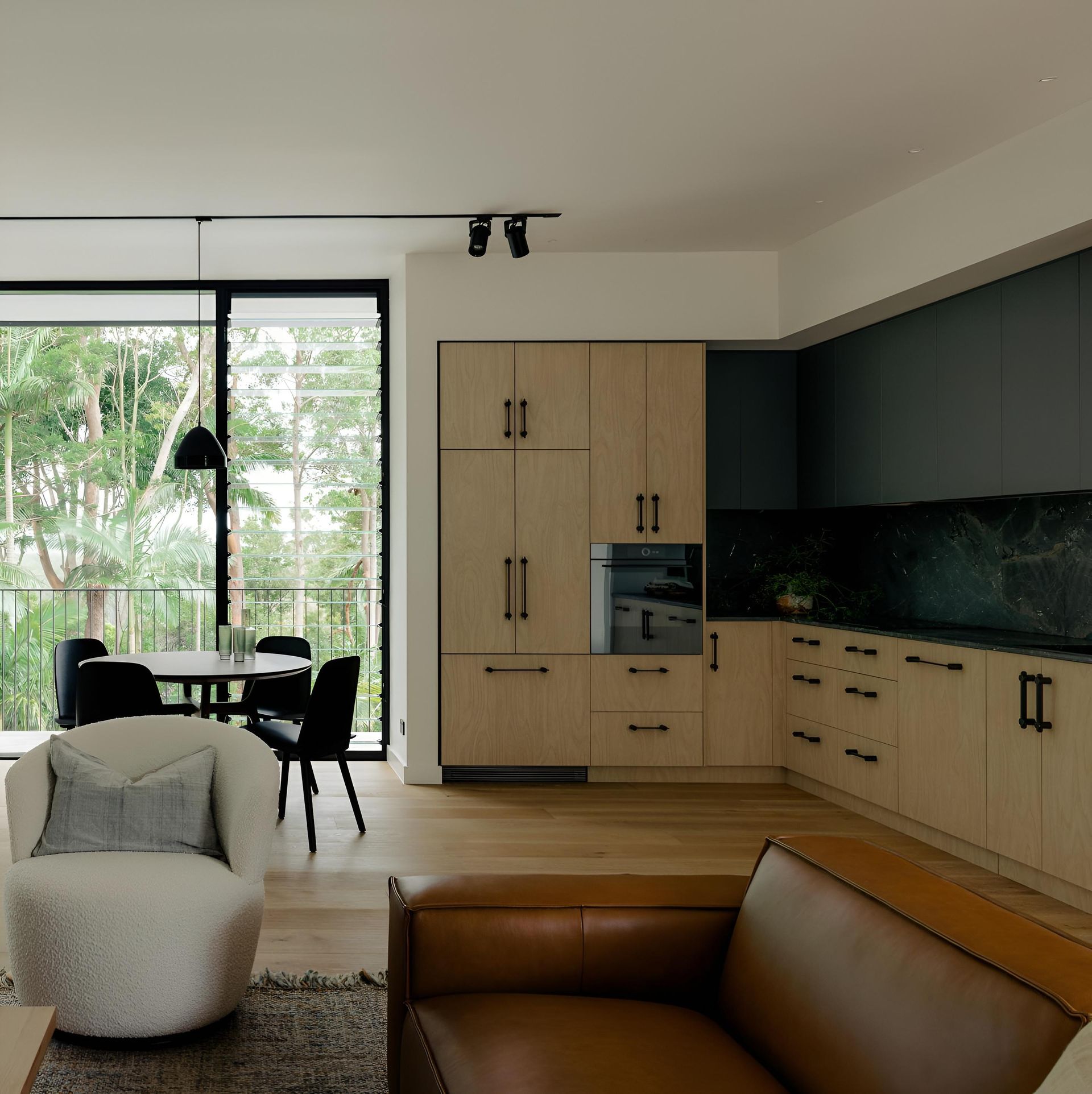
Even when cabinets are structurally sound, their design can date the entire kitchen. Some styles and finishes can make a kitchen feel darker, smaller, or less cohesive, particularly when paired with newer appliances or updated flooring.
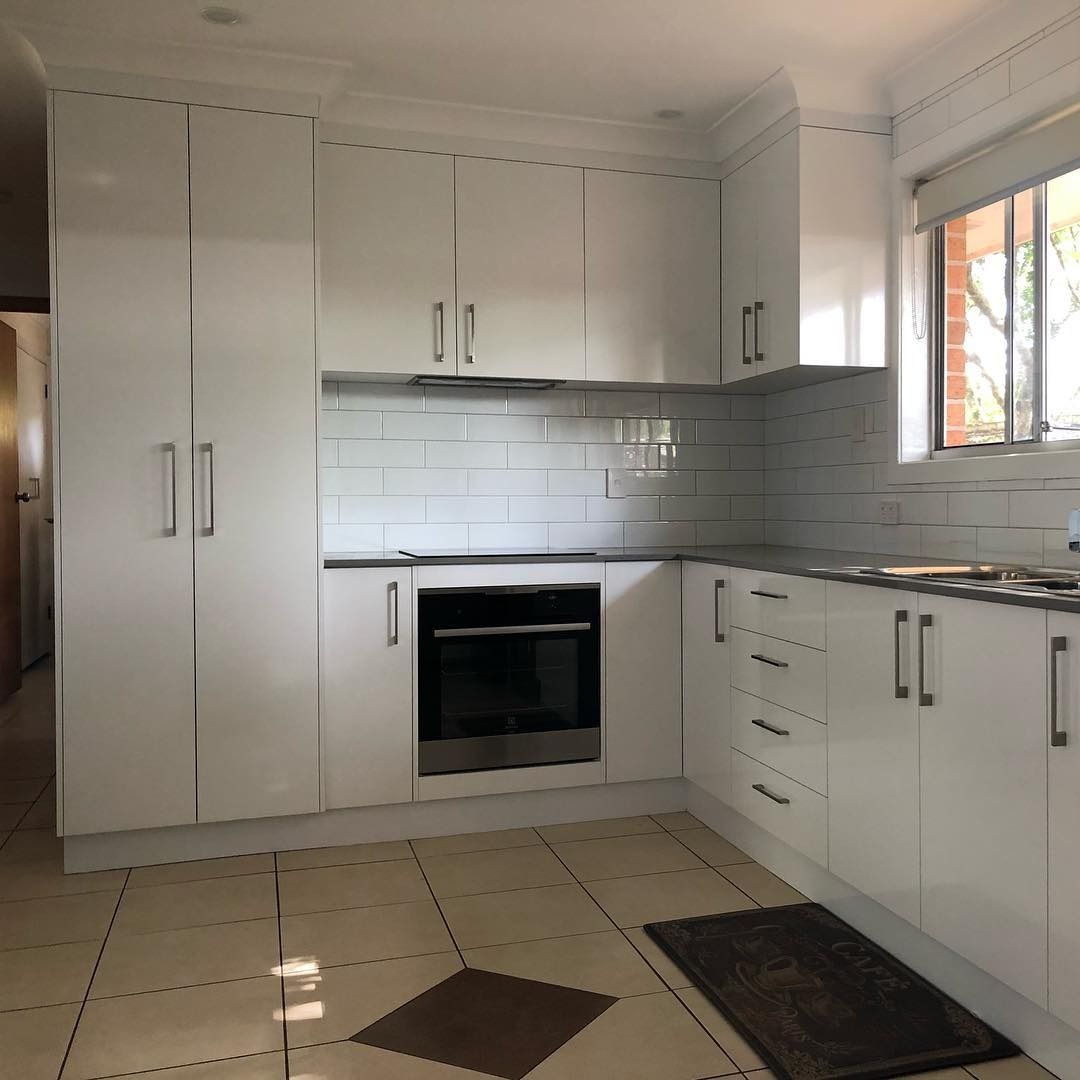
- Yellowed finishes, glossy laminates and older door profiles can make a space feel tired
- Worn handles and mismatched colours often stand out more over time
- Cabinet colour and layout heavily influence how bright and open a kitchen feels
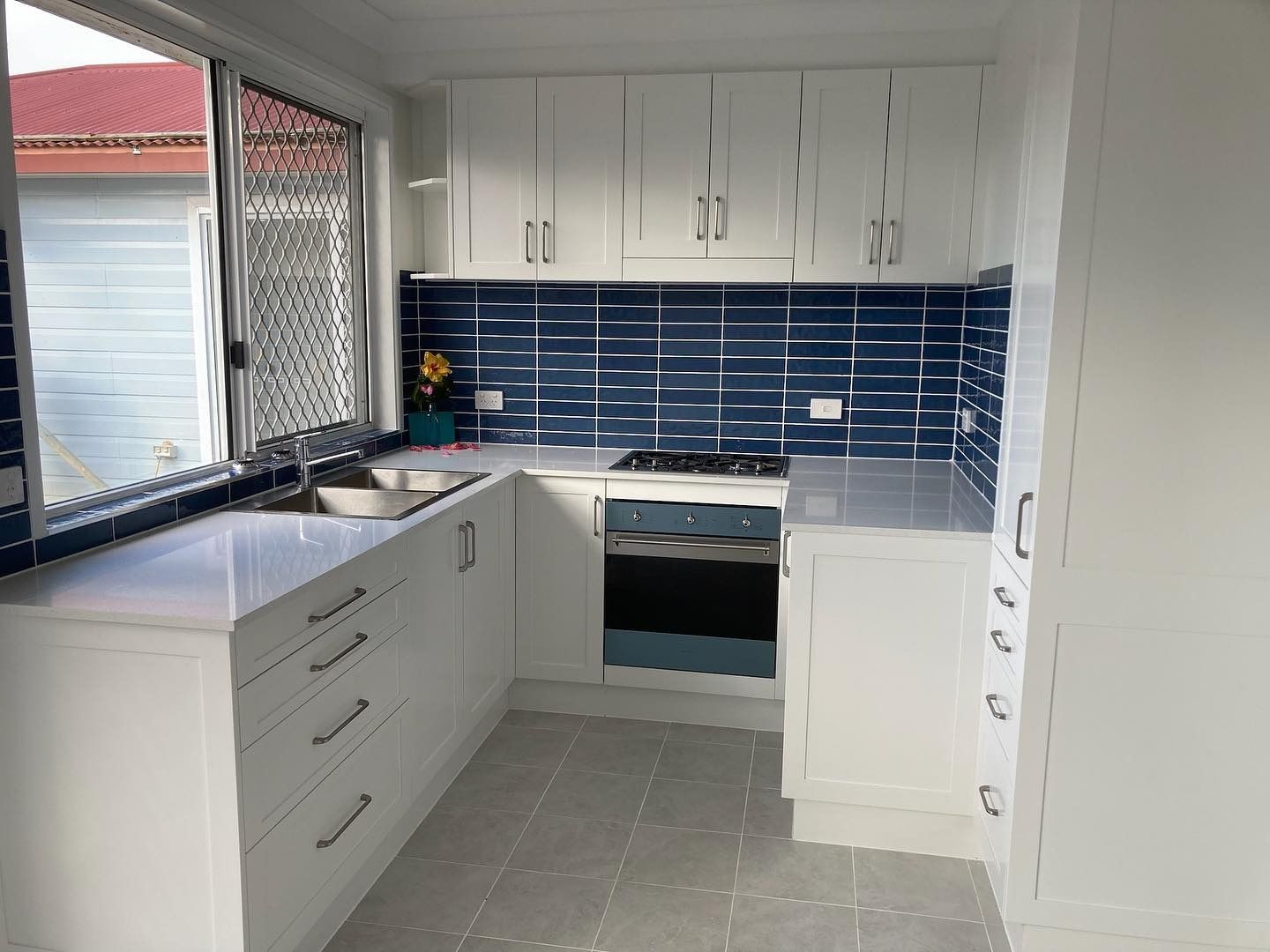
An upgrade doesn’t always mean chasing trends. Often, it’s about choosing a style that suits the home, improves light and flow, and stays practical for years.
Benchtop and Cabinet Compatibility: When New Surfaces Highlight Old Problems
Many homeowners plan to update benchtops or splashbacks first, then realise the cabinets underneath are not up to it. New surfaces can highlight uneven bases, damaged corners and old cabinet proportions that no longer suit modern design.
- Benchtops rely on stable cabinet carcasses and level bases
- New materials can add weight, which weak cabinets may not support properly
- Updated appliances can require different cabinet sizing or airflow clearances
If you’re already thinking about other kitchen upgrades, it’s often worth assessing whether your cabinets can carry the new look and function, or whether they’ll hold the kitchen back.
The Repair vs Replace Question: What’s Worth Fixing and What’s a Money Pit
Not all cabinet issues require a full upgrade. Sometimes, a hinge replacement or drawer runner repair is enough. However, when problems are widespread or structural, repairs can become a cycle that never truly addresses the core issue.
- Hardware repairs are worthwhile when the cabinet structure is solid and stable
- Swollen carcasses, soft boards and warped panels tend to keep deteriorating
- Multiple recurring issues across the kitchen often means the cabinets are ageing as a whole
If you’ve already repaired several parts of the kitchen and new problems keep appearing, an upgrade is usually the more cost-effective long-term decision.
Modern Hardware Changes Everything: Soft-Close, Drawers and Better Access
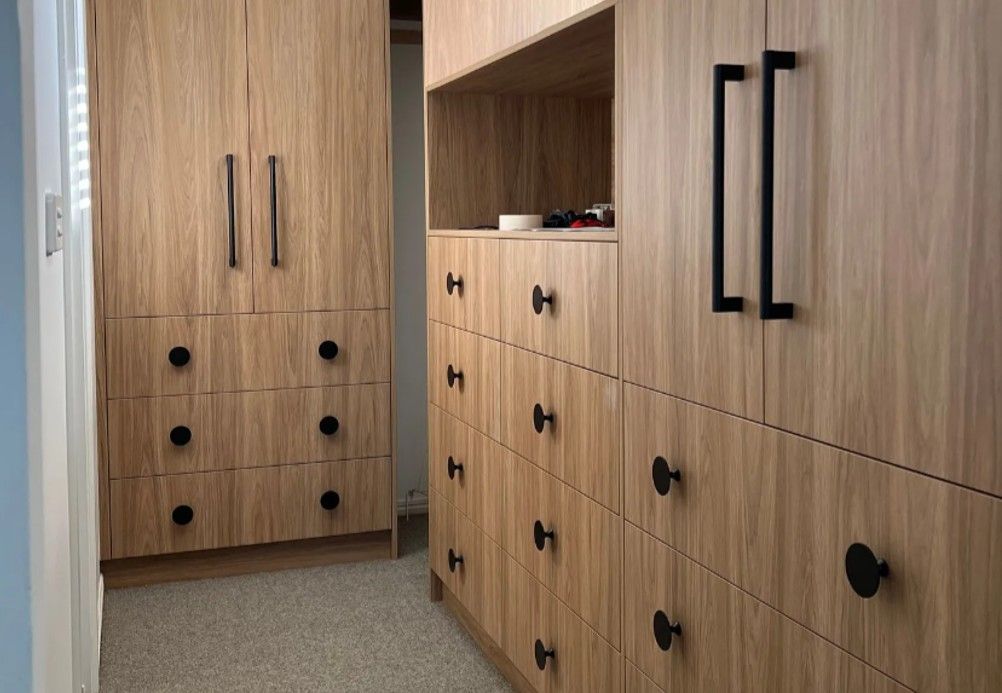
Upgrading cabinets isn’t just about aesthetics. Modern hardware makes kitchens easier to use and maintain. Soft-close hinges, full-extension drawers and pull-out storage reduce noise, protect cabinetry from slamming damage and improve access.
- Drawer systems make it easier to see and reach items without digging through cupboards
- Pull-out bins, corner solutions and pantry drawers reduce wasted space
- Soft-close hardware reduces wear and helps keep doors and drawers aligned
For families, entertainers, or anyone who uses their kitchen daily, these changes can make the space feel simpler and more organised.
Planning the Upgrade: What to Measure, What to Budget and What to Ask Your Cabinet Maker
A cabinet upgrade runs smoother when decisions are based on function, not just style. Knowing what you want to improve helps guide layout, material selection and long-term durability.
· List your biggest storage frustrations and what you want to access more easily
· Think about workflow: where you prep, cook, store and clean, and what gets in the way
· Ask about material suitability, moisture resistance, hardware quality and lead times
Working with cabinet makers Lismore homeowners can rely on means the cabinetry is designed to suit the home, installed accurately, and built to handle daily use, not just look good on day one.
Ready to Transform Your Space with Custom Cabinetry?
If your kitchen cabinets are worn, swollen, difficult to use, or simply no longer work for your lifestyle, an upgrade can be one of the most practical improvements you make to your home. Here at Infinity Kitchens & Cabinets, we assist homeowners with custom cabinetry upgrades and kitchen cabinet solutions, including support from cabinet makers in Lismore who can provide tailored storage and modern finishes. To start a conversation or request a quote,
contact us today!